Boal Honey Museum: nature, history and beekeeping traditions
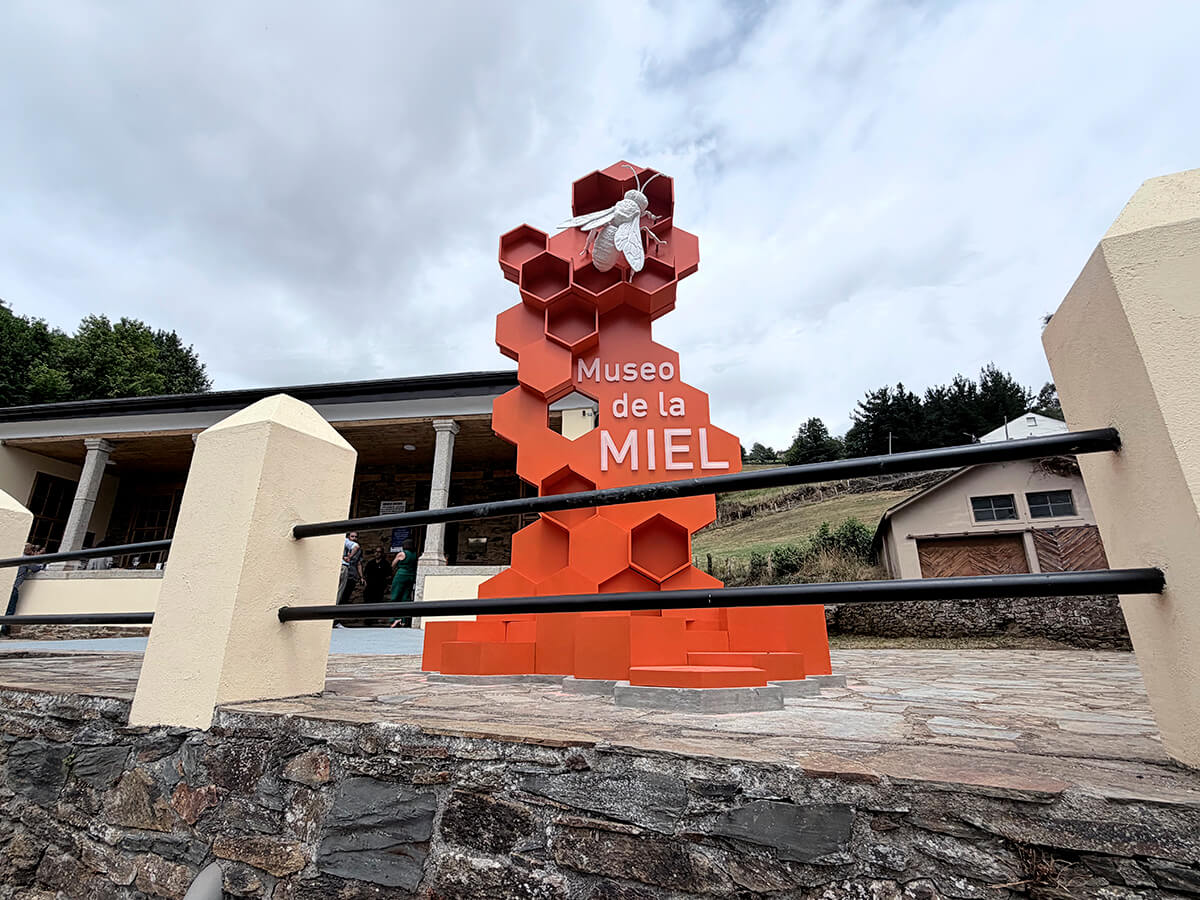
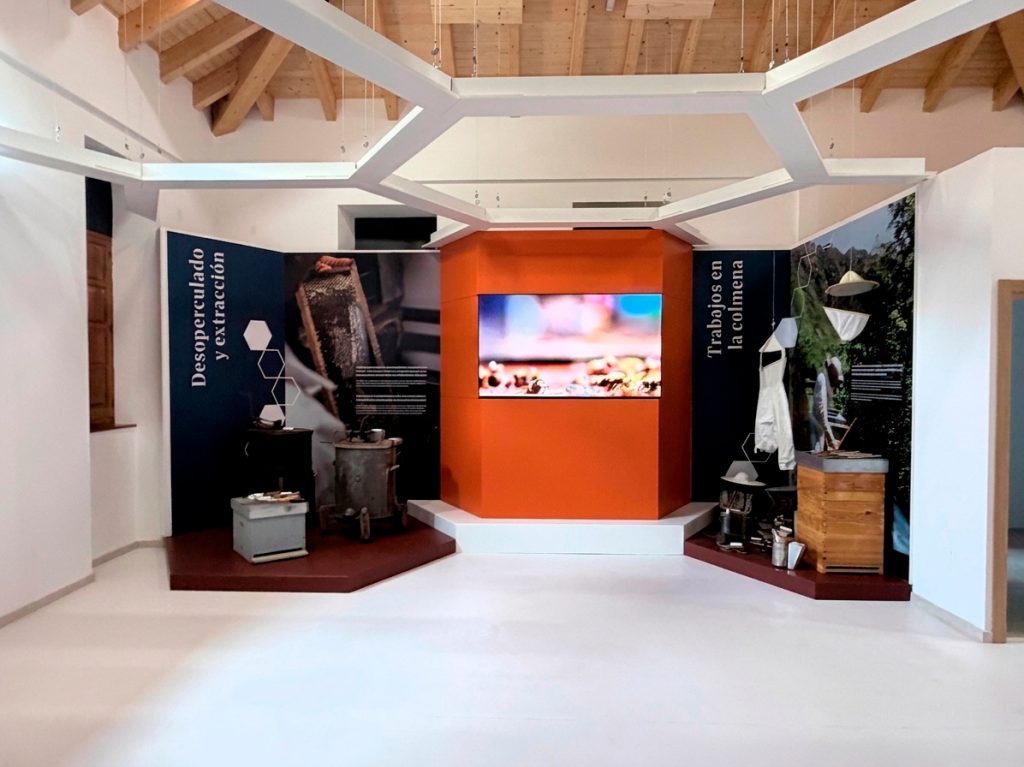
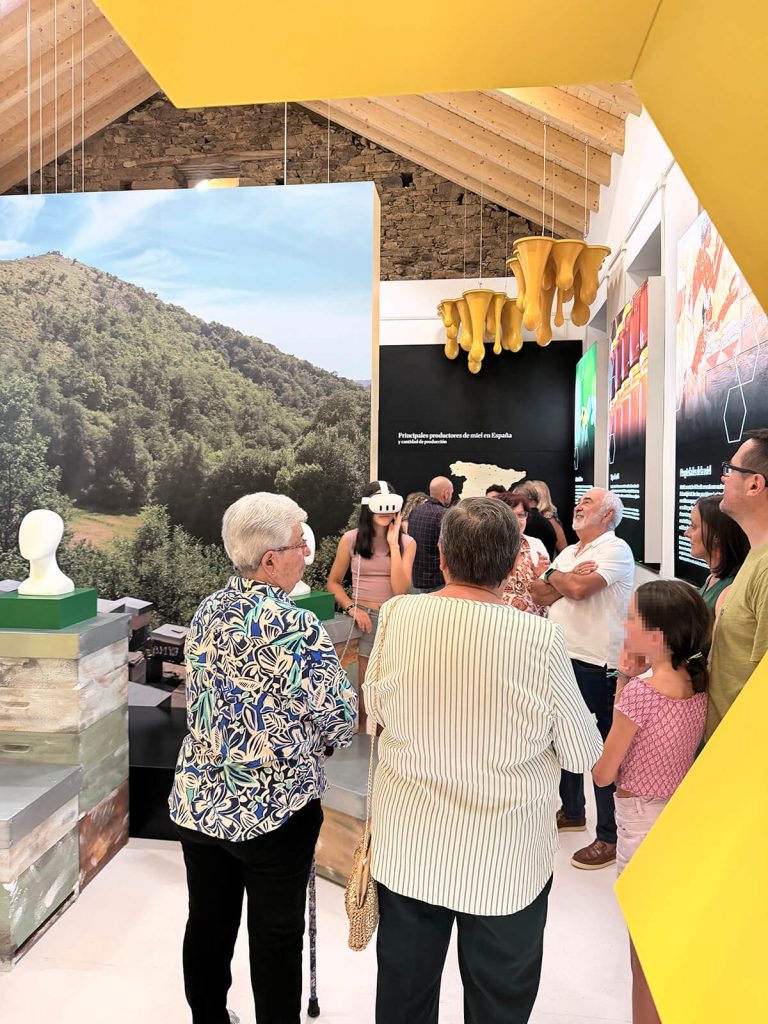
The Boal Honey Museum has opened its doors to the public this month in Los Mazos, following an extensive refurbishment that has created a 225 m² space dedicated to telling the story of Asturian beekeeping. The opening ceremony, held on Thursday 16 July, brought together local residents from the municipality for a day dedicated to a craft that has been part of Boal’s identity for generations.
The project, spearheaded by Boal Town Council, transforms this space into a meeting place where visitors can discover why, in Asturias, any discussion of honey inevitably centres on this municipality: a region with a highly professional beekeeping sector and an exceptional floral environment, where heather — the most abundant plant species in the area — gives the local honey its characteristic dark colour.
A journey through the Asturian beekeeping tradition
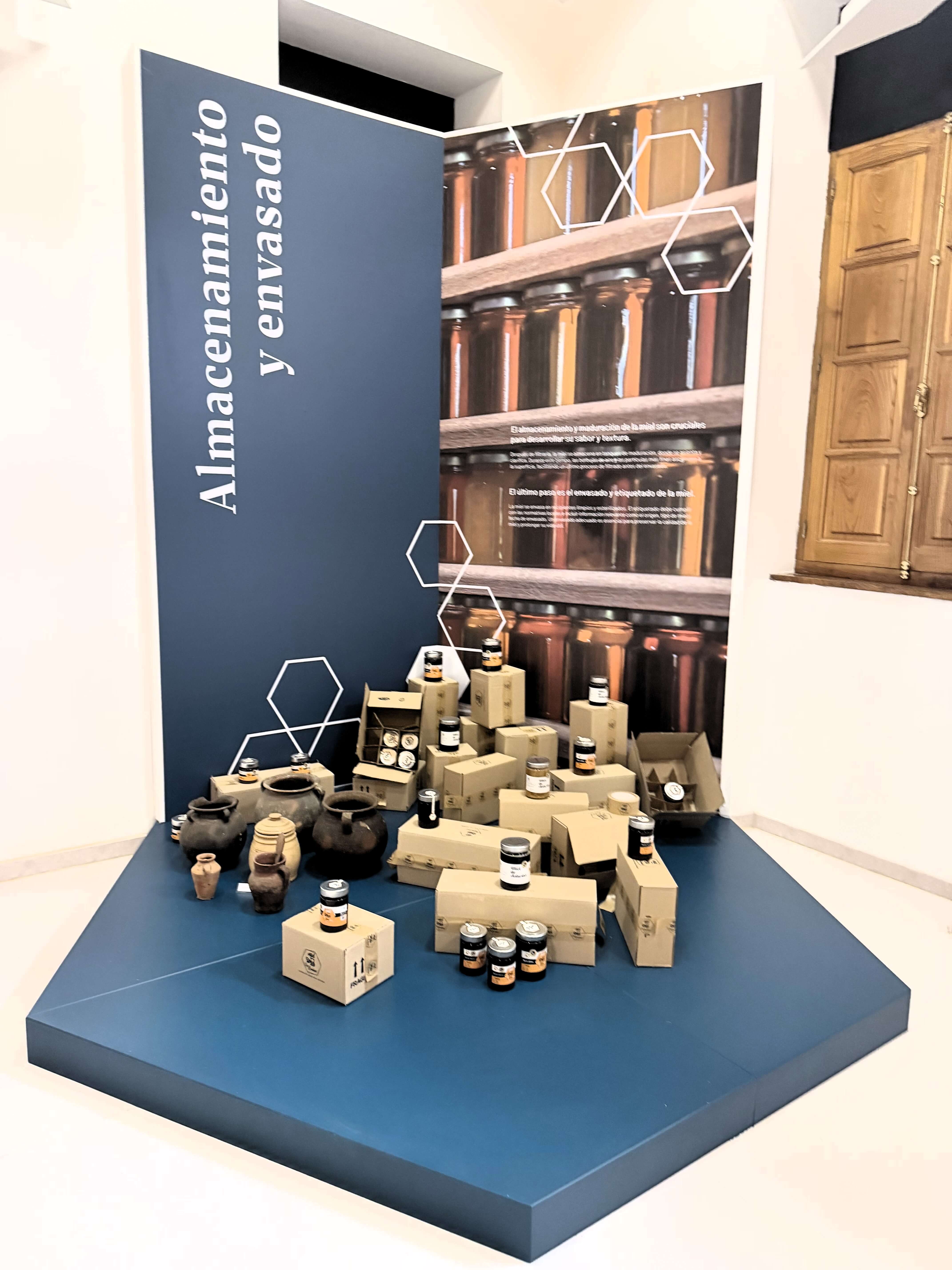
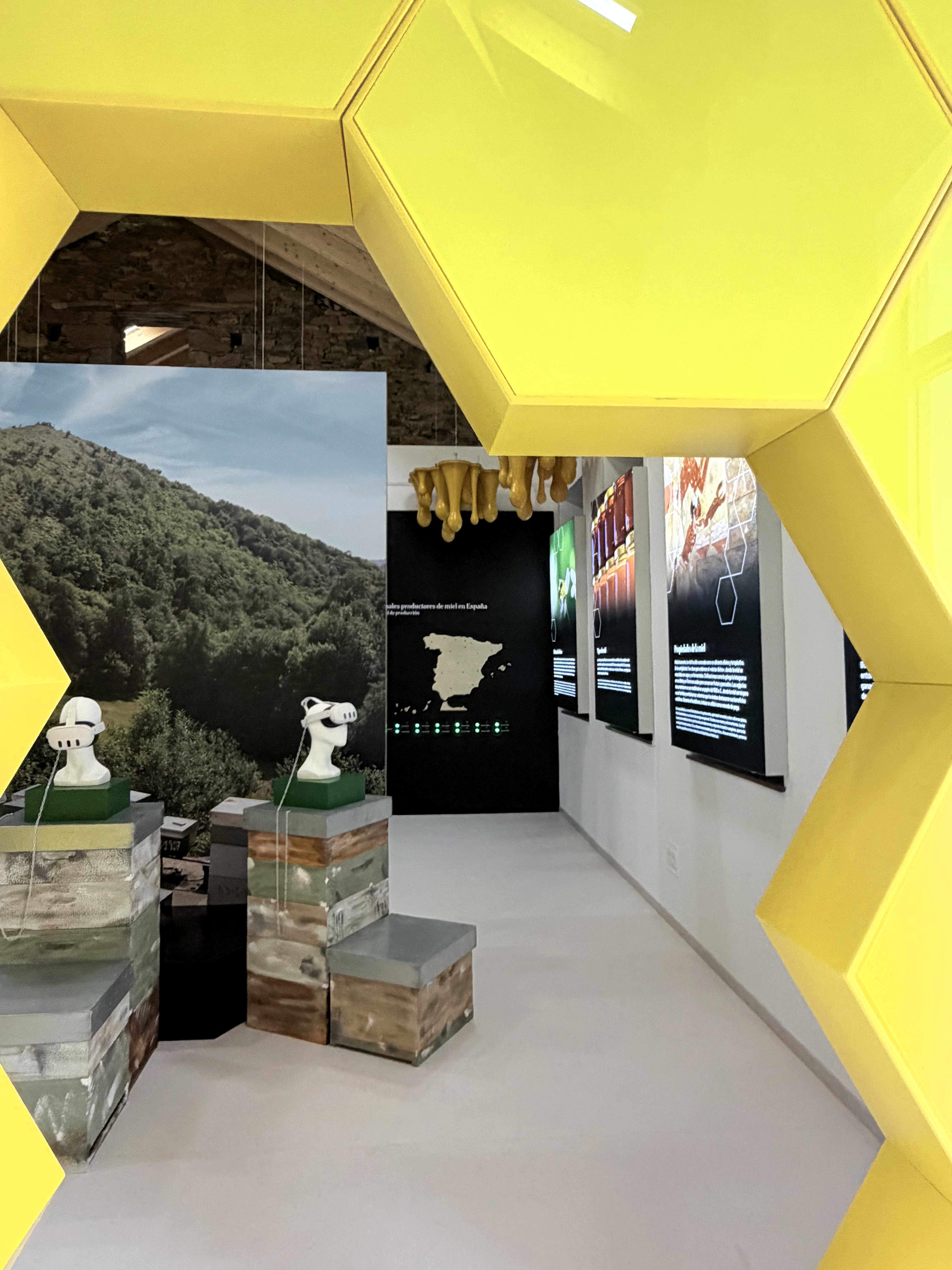
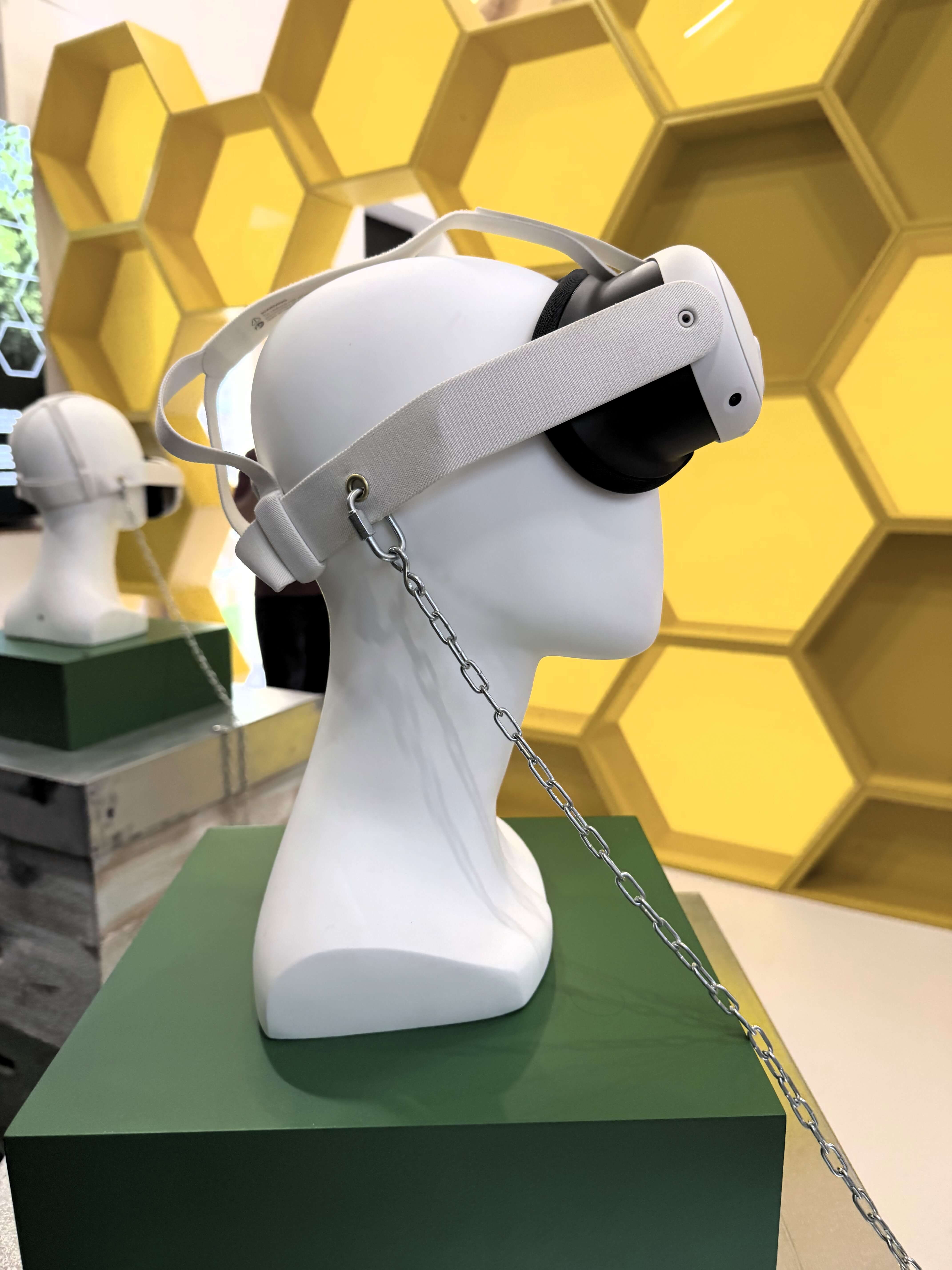
The museum offers a tour that combines historical exhibits and interactive content to explain the craft of the ‘abeyeiru’ from its origins. Among the curiosities visitors will discover is the defensive architecture devised by beekeepers to ward off the bears of the Cantabrian Mountains: the ‘cortinos’ and ‘talameiros’, stone structures now regarded as authentic relics of traditional architecture.
It also explains how ‘truébanos’ or ‘trobos’ work – these are traditional vertical beehives in which the bees built their combs directly onto the walls of the hive. Before opening them, beekeepers would tap the wood with their knuckles to check, by the sound, whether they were ready for harvesting.
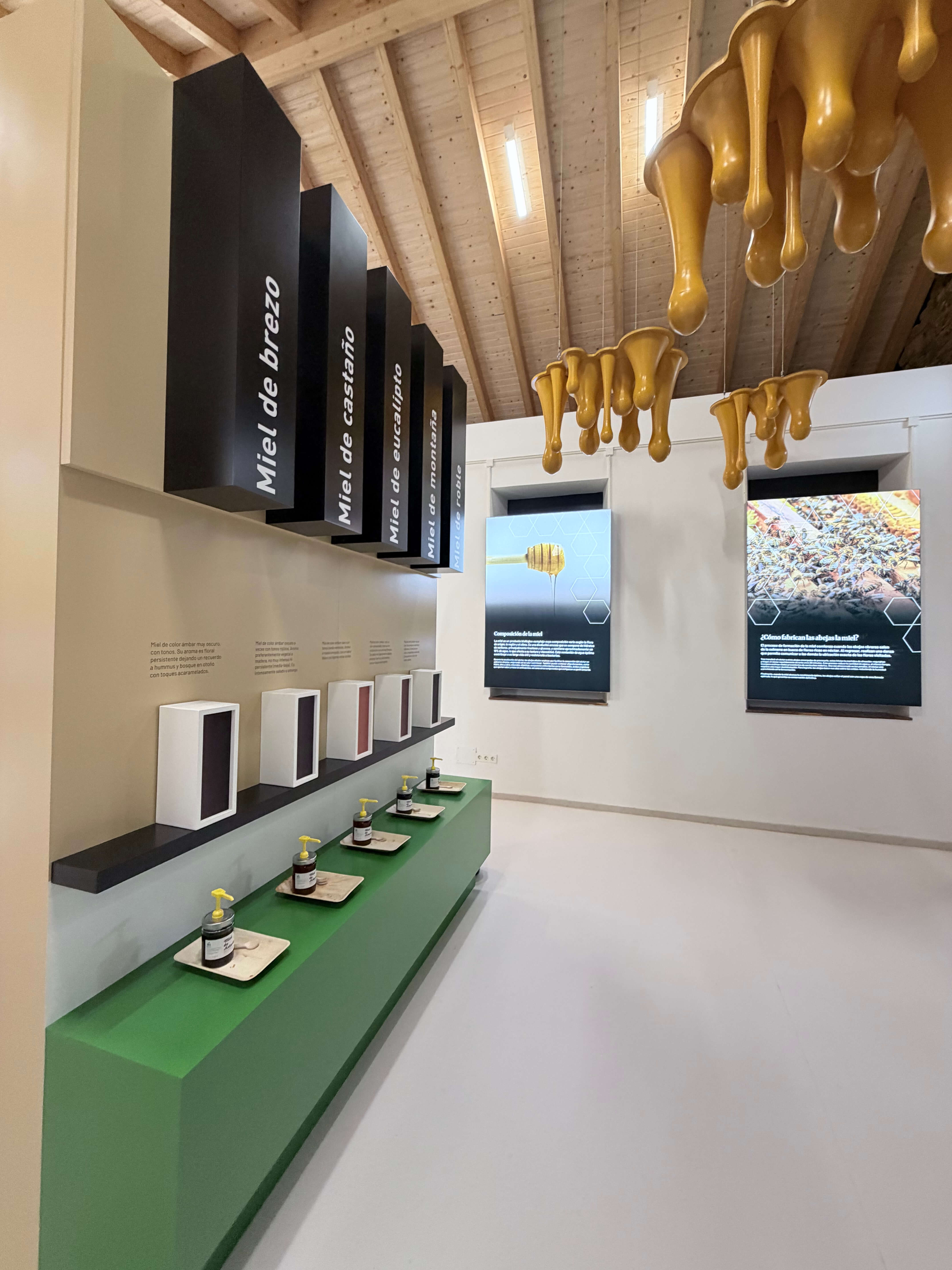
The tour also introduces visitors to the sensory nuances of the various Asturian single-flower honeys, covered by the ‘Miel de Asturias’ Protected Geographical Indication: from strawberry tree honey, with its bitter flavour and aroma of leaf litter and humus, to eucalyptus honey, which has a distinctive scent of wet wood.
A tribute to a lifetime dedicated to beekeeping
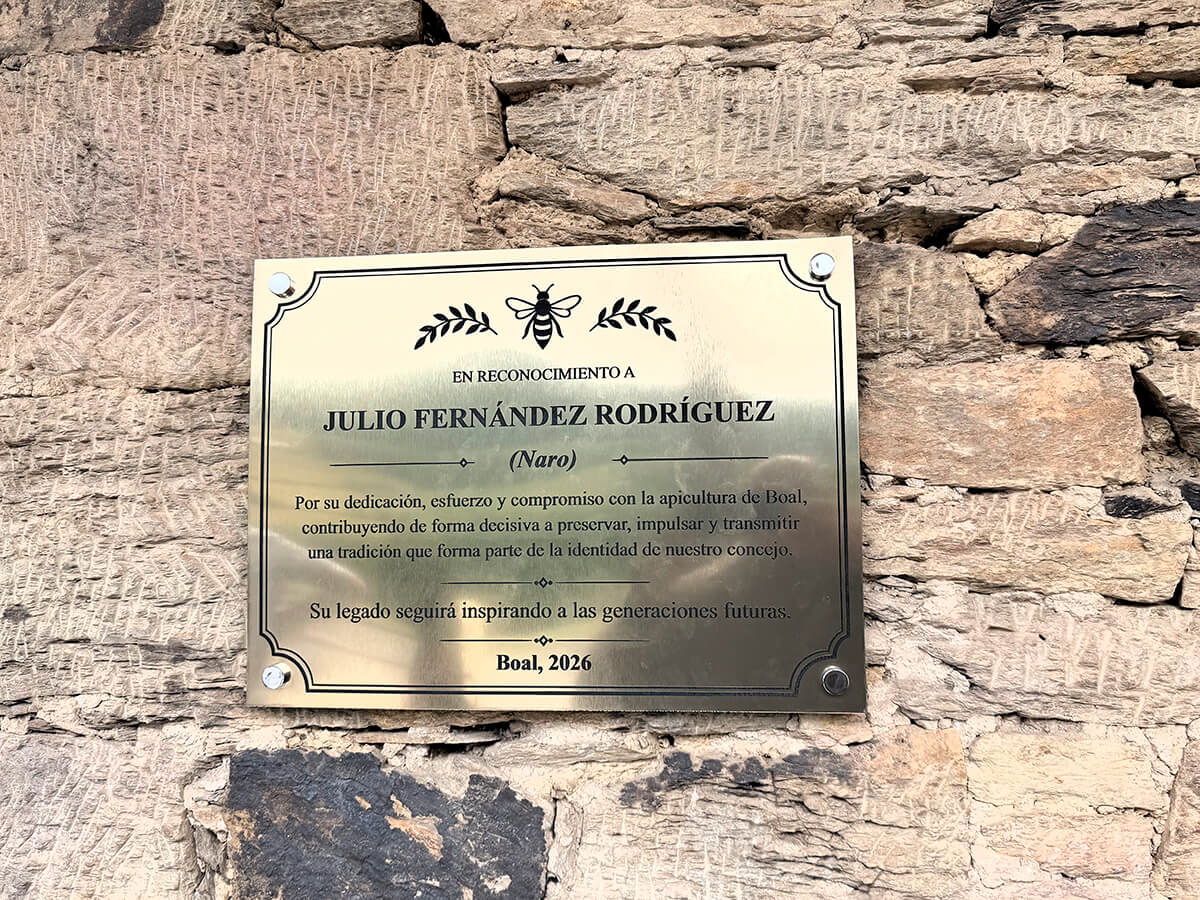
The museum is dedicated to the memory of Julio Fernández Rodríguez, ‘Naro’, in recognition of his dedication, hard work and commitment to beekeeping in Boal. His legacy gives meaning to a space that not only showcases history, but also passes on the knowledge accumulated over decades by those who have practised this craft in the municipality.
The role of Proasur at the Boal Honey Museum
Proasur has been responsible for the comprehensive project for the Boal Honey Museum, overseeing the design, technical development, production and installation of the entire exhibition space. With 35 years’ experience in museography, Proasur has applied the same technical commitment to the Boal project that characterises all its work: creating an exhibition experience that combines historical rigour, visual appeal and a close connection with the local community.
A space open to the public and with a forward-looking vision
Beyond its value as an exhibition space, the museum is intended as a tool for local revitalisation, in a municipality where the beekeeping tradition is celebrated each year at the Honey Fair – one of the leading events in western Asturias – and where the ‘El Cortín’ award is presented to those who have made the greatest contribution to promoting this craft.
Boal has thus been added to the map of honey covered by the ‘Miel de Asturias’ Protected Geographical Indication, reinforcing the value of a product that forms part of the region’s identity. To find out more about Proasur’s museum projects, please visit the section on museum production and interpretation centres.
Further information about the municipality and its cultural initiatives is available on the Boal Town Council website.
If you’d like to find out more about international projects like this one, take a look at our portfolio of museums and visitor centres.